
The Story of Cortana: Microsoft’s Virtual Assistant
Cortana was a virtual assistant developed by Microsoft, initially launched in 2014 for Windows Phone 8.1, designed to compete with the likes of Apple’s Siri and Google Assistant. Named after the artificial intelligence character in the popular Halo video game franchise, Cortana utilised the Bing search engine and natural language processing to perform a wide variety of tasks.
Her core functionality included setting reminders, answering questions, managing calendars, sending emails, opening applications, and providing information like weather forecasts and flight tracking. A key feature was the “Notebook,” where Cortana stored personal information such as interests, location data, and contacts, which allowed the assistant to learn a user’s specific patterns and offer increasingly personalised assistance. Users were given a degree of control over the data collected, a design choice Microsoft highlighted as a privacy benefit.
Cortana was later expanded to Windows 10, the Xbox One, and eventually had companion apps for iOS and Android, making her a cross-platform component of the Microsoft ecosystem. Its integration with the Microsoft 365 suite, including Outlook and Teams, underscored a strategic shift towards boosting productivity, especially in enterprise environments.
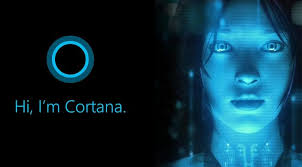
Users could leverage voice commands or text input to streamline workflows, such as scheduling meetings, managing to-do lists, and even performing quick searches within Office documents. Visually, Cortana was most often represented by two nested, animated circles, typically in shades of blue against a black or white background, signifying activity like searching or speaking.
However, over time, Microsoft began to strategically pivot its focus away from Cortana as a standalone, general-purpose virtual assistant. The company started to retire the Cortana app on mobile platforms in 2021 and, more significantly, announced the end of support for the Cortana voice assistant as a standalone app in Windows in 2023
. This move reflected a broader shift in Microsoft’s AI strategy, prioritising the integration of AI-powered features directly into their productivity applications and operating system through newer technologies like Microsoft Copilot. While many of Cortana’s core productivity features were transitioned into other Microsoft 365 and Windows tools—with reminders and lists syncing to the Microsoft To Do app—the distinct Cortana brand and standalone application have largely been retired, marking the end of its era as a direct competitor in the personal virtual assistant space.