The diplomatic landscape surrounding the conflict in Ukraine remains defined by cautious communication and sharp geopolitical rhetoric, as the Kremlin’s denial that President Vladimir Putin entirely rejected a US-backed peace proposal was immediately countered by a dismissive response from the UK government.
Following recent high-stakes talks in Moscow involving a US delegation led by special envoy Steve Witkoff and Jared Kushner, Russian presidential aide Yuri Ushakov acknowledged that the discussions were “constructive” and “very useful,” confirming that while “no compromise” was reached on core issues like territorial disputes, Putin had accepted some parts of the US plan while finding others “unacceptable.
” This nuanced Russian position—emphasizing a willingness to continue the dialogue and use the US framework as a potential basis for future talks—appears designed to portray Moscow as a reasonable party open to negotiation, in contrast to their earlier outright rejection of similar proposals from European nations.
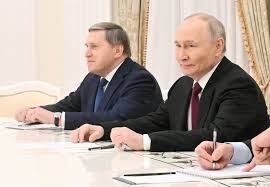
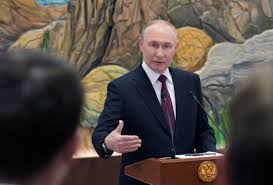
However, this diplomatic maneuvering was swiftly met with contempt from the UK. Downing Street responded to accompanying statements by President Putin—in which he warned that Russia was “ready” for war if Europe initiated one and accused European allies of “sabotaging” US peace efforts—by publicly branding the remarks as “yet more Kremlin claptrap.
The British government’s use of the term “claptrap,” which signifies nonsensical or pretentious talk, was a clear and forceful dismissal of the Russian President’s rhetoric, suggesting that the UK views such statements as propaganda designed to sow discord among Western allies.
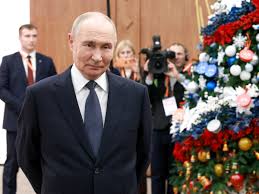
The UK Prime Minister’s official spokesperson reiterated that European nations are united in supporting Ukraine’s right to self-defence and that NATO stands ready to respond to any threats, effectively refusing to engage with Putin’s combative language on its own terms.
This entire episode—the Kremlin’s partial acceptance of a US-led framework that reportedly includes significant concessions to Moscow, followed by the immediate issuance of war warnings and the UK’s subsequent political dismissal—highlights the complex, highly fractured nature of the negotiations, where diplomatic engagement is undercut by simultaneous attempts to escalate the political and psychological conflict.