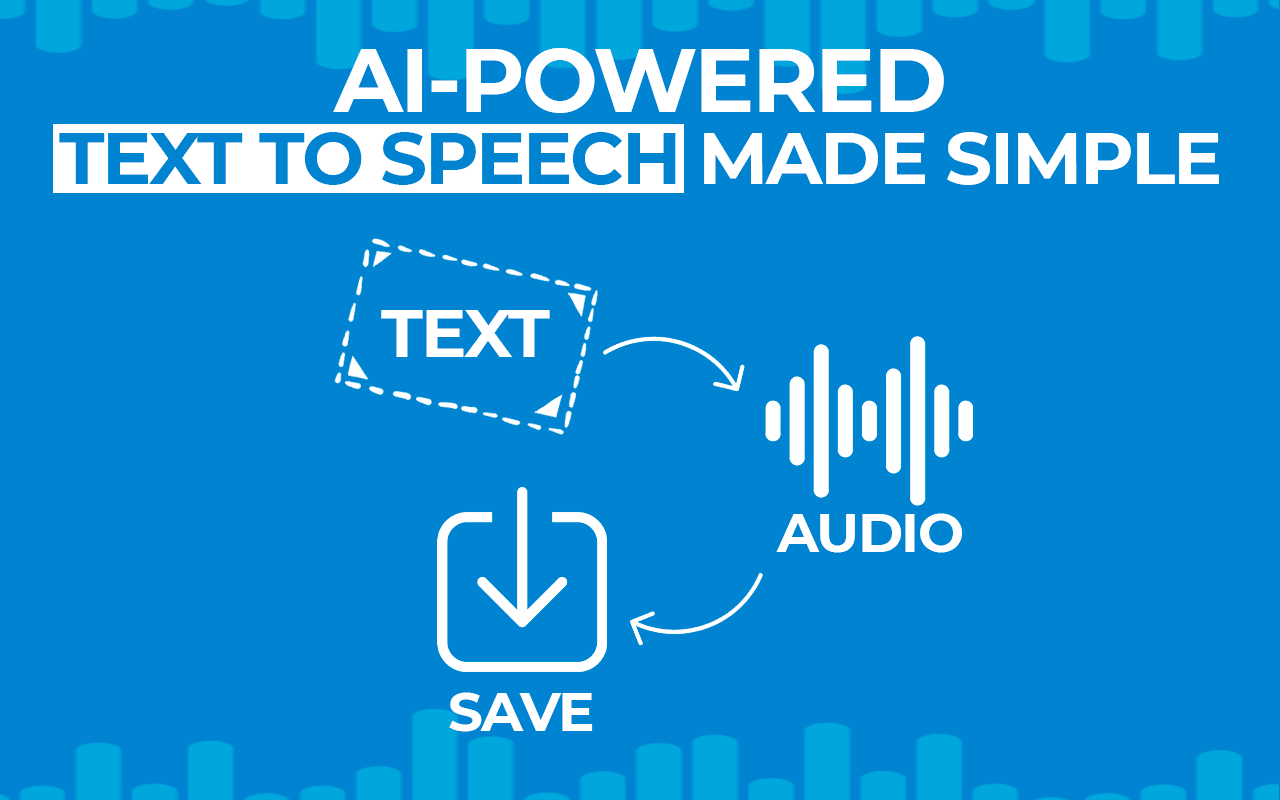

AI Voice, often referred to by its core function, Text-to-Speech (TTS), represents a sophisticated technology that converts written digital text into incredibly natural-sounding, human-like spoken audio. Far removed from the robotic, monotone voices of early synthesizers, modern AI Voice systems leverage deep neural networks and machine learning to model the complex nuances of human speech, making the generated audio nearly indistinguishable from a professional recording.
The process is a multi-step sequence: first, a front-end component performs linguistic analysis, which involves text normalization (converting numbers and abbreviations into full words), phonetic transcription (mapping letters to their sounds, or phonemes), and determining prosody—the rhythm, stress, and intonation of the sentence. This detailed linguistic data is then passed to the back-end, or the synthesizer.
The synthesizer, powered by state-of-the-art neural TTS models, converts this linguistic representation into an audio waveform. The key breakthrough in AI-driven TTS is the simultaneous and holistic processing of acoustic features and prosody, resulting in a more fluid, emotionally expressive, and natural output that significantly reduces listening fatigue.
Many platforms now offer extensive customization, allowing users to choose from hundreds of diverse voices across numerous languages and accents, and even fine-tune parameters like pitch, speed, and emotional tone, or use voice cloning to create a unique, branded vocal identity.
The applications of this technology are vast and transformative: from enhancing accessibility for the visually impaired and those with reading disabilities, to powering responsive conversational AI agents and virtual assistants, generating high-quality audiobooks and e-learning narration, and producing scalable, localized video voiceovers and dubbing for global content creation. AI Voice technology is, therefore, essential for democratizing access to high-quality audio production and enabling more natural, engaging, and inclusive interactions with technology.