
For DownLoad
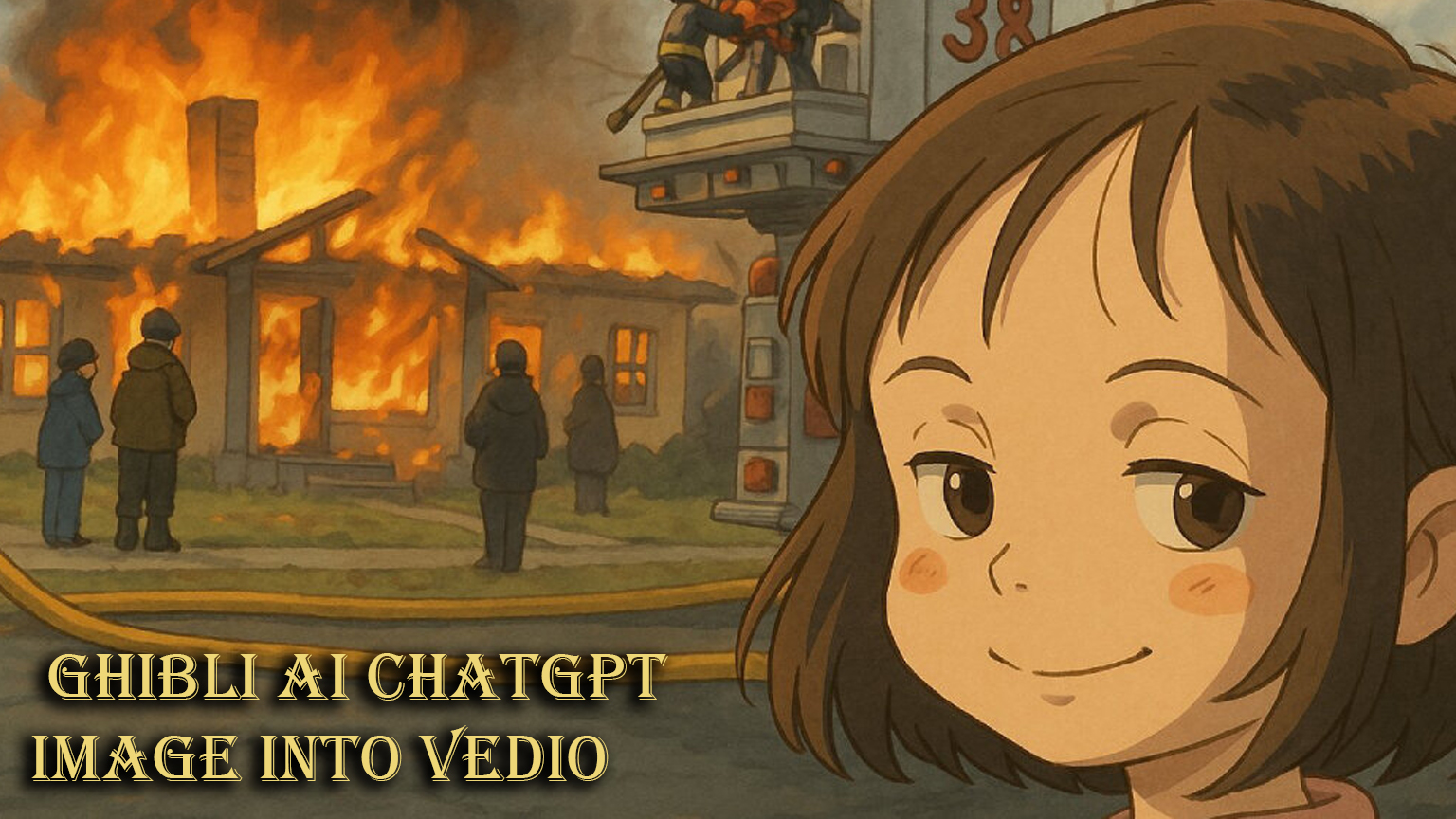
Ghibli AI” is not a single, official product from Studio Ghibli. Instead, it refers to a popular category of AI image and video generators that are specifically trained or prompted to replicate the distinctive and beloved art style of Studio Ghibli films, such as those directed by Hayao Miyazaki.
Here is a detailed breakdown of what “Ghibli AI” entails:
1. Core Functionality: Style Transfer and Generation
The main purpose of these AI tools is to create new visuals that look like they belong in a Studio Ghibli film. This is typically done in two main ways:
Image-to-Image (Style Transfer): Users upload a personal photo (a selfie, a pet picture, a landscape, etc.), and the AI transforms it, applying the Ghibli aesthetic to the original subject and composition. This is often done using a “Ghibli filter” or “Restyler.”
Text-to-Image Generation: Users input a text prompt (e.g., “A flying castle over a whimsical European town at sunset, Studio Ghibli style”), and the AI creates an entirely new, original image based on that description, styled after Ghibli’s work.
2. Key Artistic Elements Replicated
These AI models are trained to capture the signature elements of the Studio Ghibli style, including:
Soft Color Palettes: A focus on gentle, often pastel or watercolor-like colors.
Detailed and Lush Backgrounds: Intricate, hand-drawn-style landscapes, forests, and architecture.
Whimsical and Dreamlike Quality: An overall sense of magic, warmth, and nostalgia.
Character Design: Transforming portraits into animated characters with expressive features common in anime.
3. Examples of AI Tools Used
While some platforms may call themselves “Ghibli AI” directly, many general-purpose AI image generators are used to create this style, often with the addition of a style prompt like “in the style of Studio Ghibli.” Popular tools include:
DALL-E 3 (via ChatGPT): Known for accurately capturing nuanced lighting and atmosphere.
Midjourney: Excels at creating expansive landscapes and detailed environments with a dream-like quality.
Stable Diffusion (and custom models like Ghibli Diffusion): Offers high customization, often through community-created “LoRA” (Low-Rank Adaptation) models specifically fine-tuned on the Ghibli aesthetic.
Various Online Generators (e.g., Fotor, Clipfly): Offer dedicated “Ghibli filters” for easy, one-click transformations.
4. Controversy and Ethical Considerations
The rise of AI-generated Ghibli-style art has sparked significant debate, particularly because Studio Ghibli is famous for its traditional, hand-drawn animation and minimal use of digital tools.
Miyazaki’s Stance: Studio Ghibli co-founder Hayao Miyazaki has been openly critical of certain types of AI in animation, once calling an AI-generated animation an “insult to life itself,” which reflects a deep-seated philosophical preference for human-created art.
Copyright and Ethics: A core issue is that these AI models are trained on massive datasets that include Studio Ghibli’s copyrighted works without explicit consent or compensation to the original artists. This raises questions about copyright infringement and the exploitation of artistic styles.
“Soulless” Art: Many critics argue that the AI-generated images, while visually impressive, lack the “soul,” emotional depth, and intricate storytelling that comes from human artists dedicating years of effort to their craft.