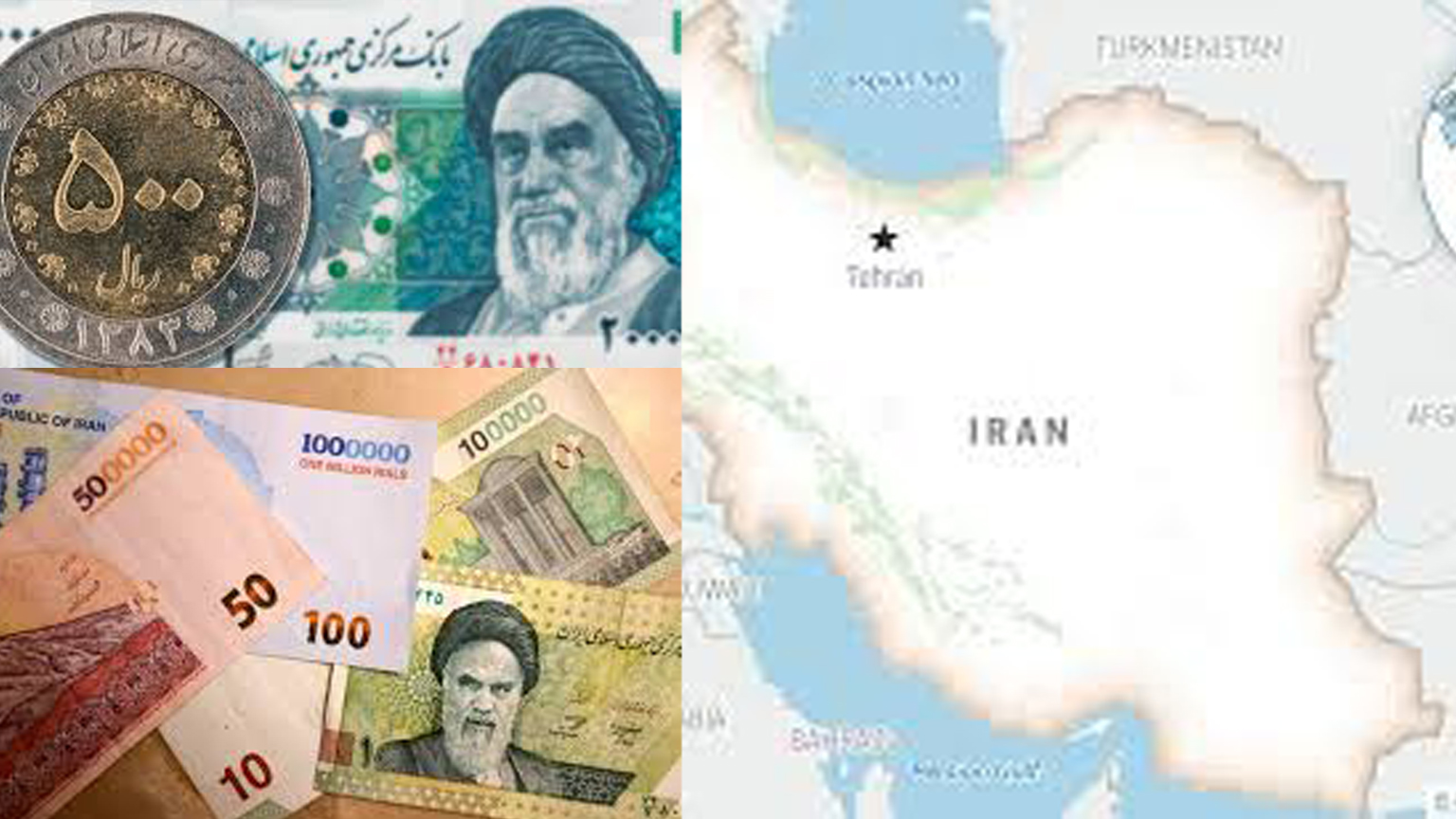
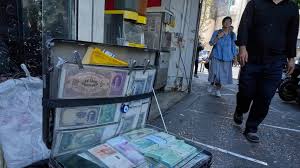
Iran’s national currency, the rial, has plummeted to a devastating new low, trading at approximately 1$1.2$ million to the U.S. dollar, a direct and dramatic consequence of the renewed and intensifying nuclear sanctions campaign squeezing the nation’s already ailing economy.2 This historic depreciation underscores the severe impact of international isolation, particularly the “maximum pressure” campaign reinstated following the U.S. unilateral withdrawal from the 2015 nuclear deal (Joint Comprehensive Plan of Action or JCPOA) in 2018, and its subsequent escalation.
The previous exchange rate at the time of the 2015 deal was around 4$32,000$ rials to the dollar, illustrating the catastrophic collapse in value over the last few years.5 The recent slump is fueled by the stalled attempts to revive nuclear negotiations between Tehran and Washington, coupled with the United Nations’ recent reimposition of sanctions via the “snapback” mechanism in late September, which freezes Iranian assets and targets its arms and ballistic missile programs.6The immediate and most visible effect of this currency crisis is the mounting pressure on the daily lives of ordinary Iranians.
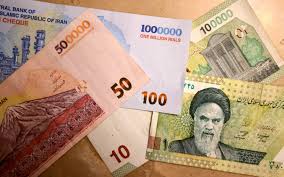
The rial’s collapse translates directly into skyrocketing inflation, making essential goods and staples, such as meat and rice, prohibitively expensive.8 This rapid increase in the cost of living creates immense daily hardship and fuels public anxiety.
The lack of foreign currency inflow, choked off by sanctions that target Iran’s crucial oil exports, raises serious concerns about the government’s ability to fund the necessary maintenance and repair of the country’s aging infrastructure, further compounding the domestic economic distress.10 Furthermore, the economic uncertainty is aggravated by heightened geopolitical tensions in the region, including worries about potential conflict with Israel and the United States, following recent military engagements.
The core of the economic ailment lies in the sanctions, which have crippled the nation’s primary revenue source—crude oil sales—and blocked access to international financial markets.12 The renewed enforcement of sanctions on firms trading Iranian crude, even at a discount to buyers like China, severely restricts Tehran’s access to the hard currency necessary to support its currency and import essential goods.
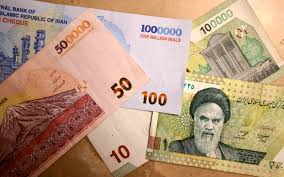
While the Iranian government and its Central Bank have attempted various measures, including proposals to remove zeros from the rial, these steps are widely seen as ineffective band-aids that fail to address the fundamental currency shortage and economic instability caused by the external pressure.
The latest record low exchange rate thus serves as a grim barometer for the effectiveness of the sanctions strategy, demonstrating that despite domestic resilience efforts, the policy of economic pressure continues to inflict severe damage on the Iranian economy and its populace.14 The continued depreciation of the rial is a stark representation of a nation struggling to keep its economic head above water amidst a persistent international squeeze.