For Download
That’s a great question! “Video Maker” is a general term that refers to software, online tools, or mobile apps designed to help users create and edit videos. These tools can range from very basic, user-friendly apps for quick social media clips to professional-grade suites used in Hollywood .
Here is a full, detailed breakdown of what a Video Maker is, its key features, types, and how it’s typically used:
1. What is a Video Maker?
A Video Maker, or video editing software, is a digital tool that allows you to manipulate and arrange video clips, images, and audio to create a final, polished video product.1 It has replaced traditional, manual film and tape editing methods.
2The tools typically operate on a Non-Linear Editing (NLE) system, which means you can access and rearrange any part of your video timeline at any time without having to edit sequentially.32. Key Features of a Video MakerMost video makers, even the most basic ones, offer a common set of features: Core Editing FunctionsTrim/Cut/Split: The ability to shorten clips, remove unwanted sections, and divide a single clip into multiple parts.
4Merge/Combine: Joining multiple video clips, images, and audio files into a single project
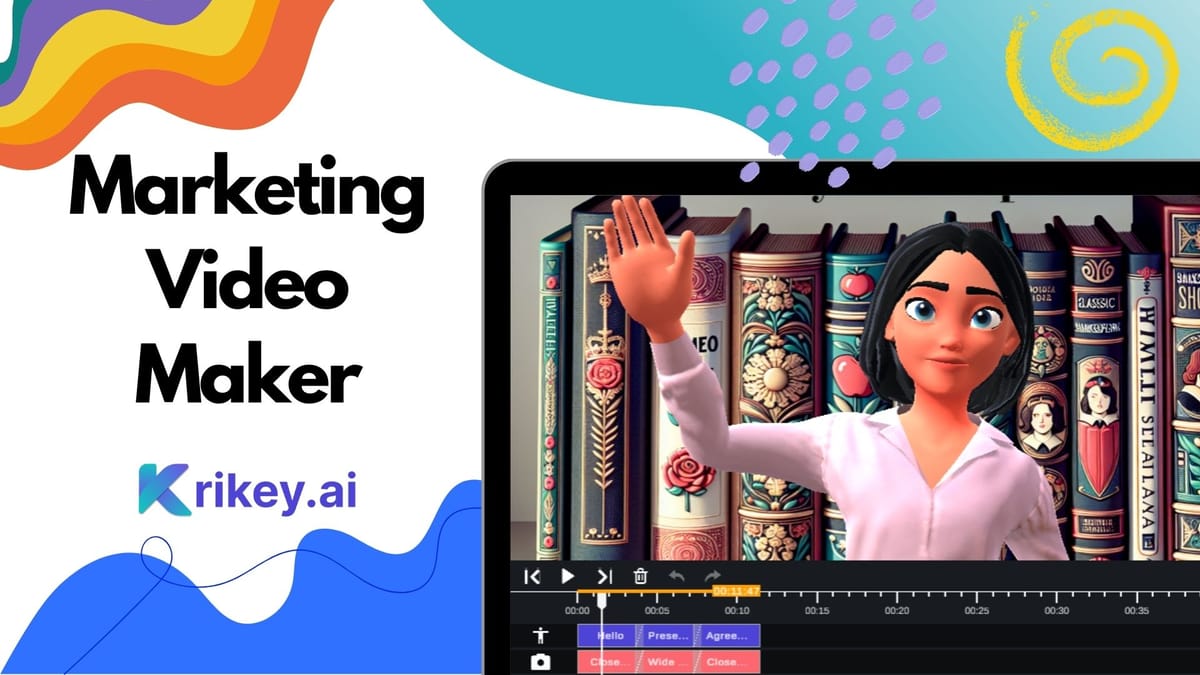
.5Timeline: The main workspace where you arrange your media (video, audio, text) in sequence and layers
.6Multi-Track Editing: Allows for layering different elements (multiple video clips, music, sound effects, titles) that play simultaneously.
7Enhancements and Effects Transitions: Visual effects (like fades, dissolves, wipes) used to smoothly move from one clip or scene to the next.
8Filters and Effects (FX): Pre-set visual styles (like black and white, vintage, or glitch effects) and cinematic tools like speed ramping (fast/slow motion).
9Text/Titles/Captions: Adding static or animated text overlays, including subtitles, lower-thirds (name tags), and title screens.
10Color Correction/Grading: Adjusting the brightness, contrast, saturation, and overall color scheme to enhance the video’s look and emotional impact
11Audio ToolsMusic & Sound Effects: Importing, adding, and syncing background music and sound effects.
12 Many tools include royalty-free libraries.
13Voiceover/Narration: Recording or importing a spoken track.
14Audio Mixing: Adjusting the volume and balance of different audio tracks (e.g., lowering music volume when someone is speaking).
15Finalizing and OutputExporting: Converting the finished project into a single video file (like MP4, MOV) with options to choose resolution (e.g., 1080p, 4K) and quality.
16Aspect Ratio Presets: Easily resizing the video for different platforms (e.g., 16:9 for YouTube, 9:16 for TikTok/Reels, 1:1 for Instagram).173. Types of Video Maker ToolsVideo makers are generally categorized by their complexity and target audience:
Type of ToolTarget Audience, CharacteristicsBeginner/Consumer-GradeIndividuals, students, social media users, small businesses.iMovie, Canva, Clipchamp, InShot, CapCut, PowerDirector (mobile). Focus on ease-of-use, drag-and-drop interfaces, templates, and quick sharing to social media. Often free or low-cost.Prosumer/Enthusiast-GradeAdvanced hobbyists, YouTubers, freelancers, small production teams.Wondershare Filmora, CyberLink PowerDirector, and Adobe Premiere Elements.Offers a good balance of professional features and user-friendliness. Often, a subscription or a one-time purchase.Professional-grade editors, large production studios, and commercial editors.
Adobe Premiere Pro, DaVinci Resolve, Final Cut Pro (Mac only), Avid Media Composer.Unrestricted feature sets, advanced tools (multi-cam editing, motion tracking, complex color grading), high-resolution support (8K), and industry-standard workflows.
4. How to Create a Video (General Steps)While specific steps vary by tool, the general process for creating a video remains consistent: Plan Your Video: Define your purpose (tutorial, vlog, advertisement), target audience, and create a basic script or outline.18Gather Media: Shoot your video footage, take necessary photos, and gather any audio tracks or graphics you plan to use.
Import to the Video Maker: Load all your media files into the software’s media library.19Assemble the Rough Cut: Drag and drop your clips onto the timeline and arrange them in the correct sequence.20Refine the Edit: Use the Trim, Cut, and Split tools to remove mistakes, shorten clips, and perfect the timing of your scenes.21Enhance the Visuals: Add Transitions between clips, apply Filters, and adjust Color to give your video a consistent, professional look.22Add Audio:
Place background Music and Sound Effects on separate audio tracks.23 Record a Voiceover or narration if needed, and mix the audio levels.. 24Add Graphics: Insert Text, Titles, and Captions for context, intros, or calls to action.. 25Review and Finalize: Watch the entire video to ensure all elements are correct.Export: Render and save the final video file in the required format and resolution for its intended platform (e.g., 1080p MP4).26